
Decoding your insurance policy
Life is full of surprises and unplanned for events, and having the right insurance can provide an essential safety net, but insurance documents and terminology can often feel complex or confusing because they are detailed legal documents about a vast array of potential future events.
It’s important to have clear communication and understanding from both the insurance provider and the insured person. Therefore, knowing the basics of what’s in your policy and what it means for you in practical terms can help you make informed decisions and avoid unwelcome surprises at the claim stage.
Here is a quick guide to understanding your insurance contract.
The role of an insurance contract
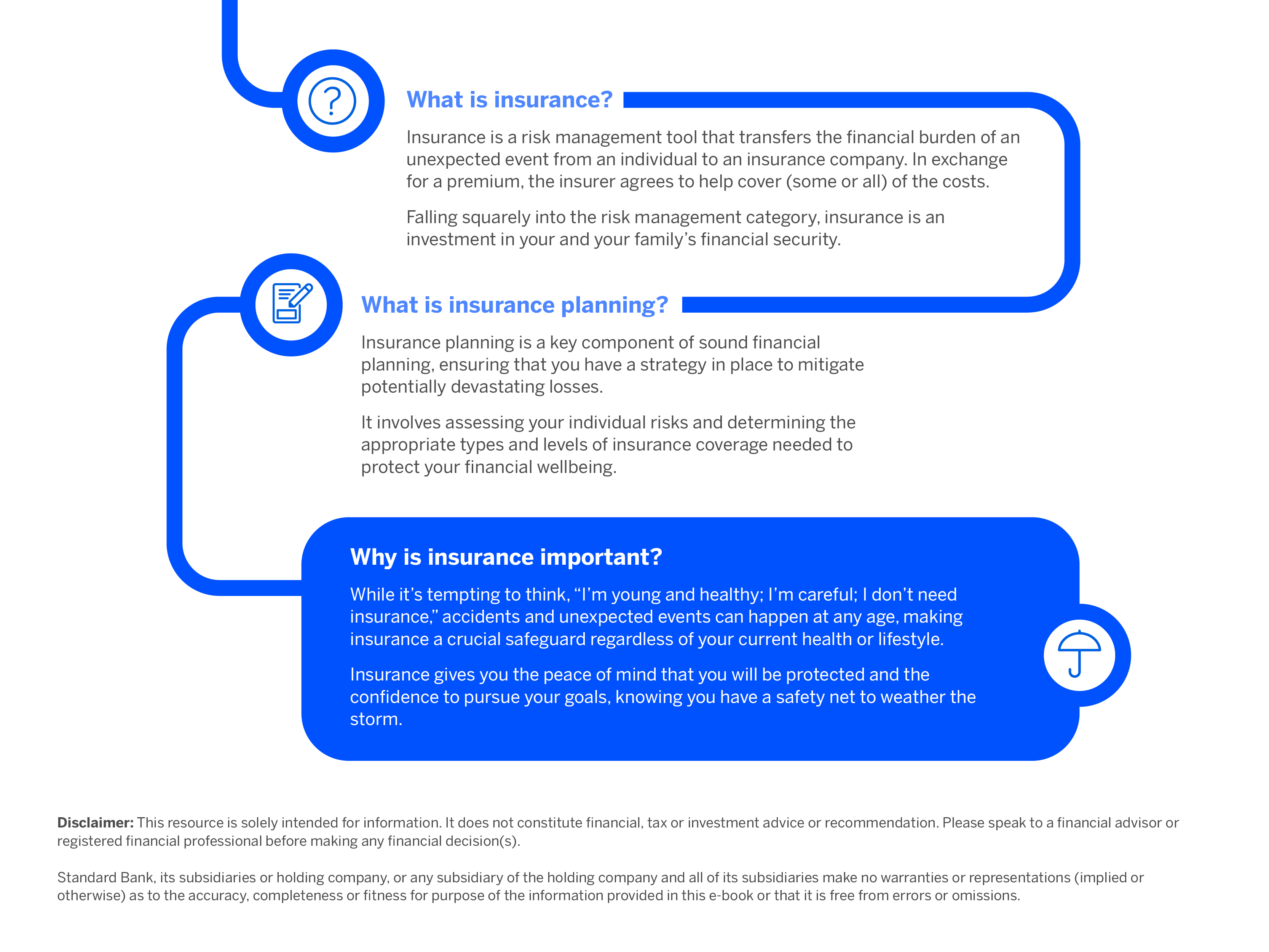
An insurance contract is an agreement between a client (the main insured) and an insurance provider. You pay a monthly premium, and in return, the insurer agrees to provide financial support, usually a lump-sum payout, if a specific insured event occurs.
There are 2 main types of insurance:
- Life insurance covers events such as death, disability, serious illnesses and loss of income
- Non-life insurance mainly covers loss of or damage to possessions, such as cars and property
Common insurance terms explained
| Term | What it is | Why it matters |
|---|---|---|
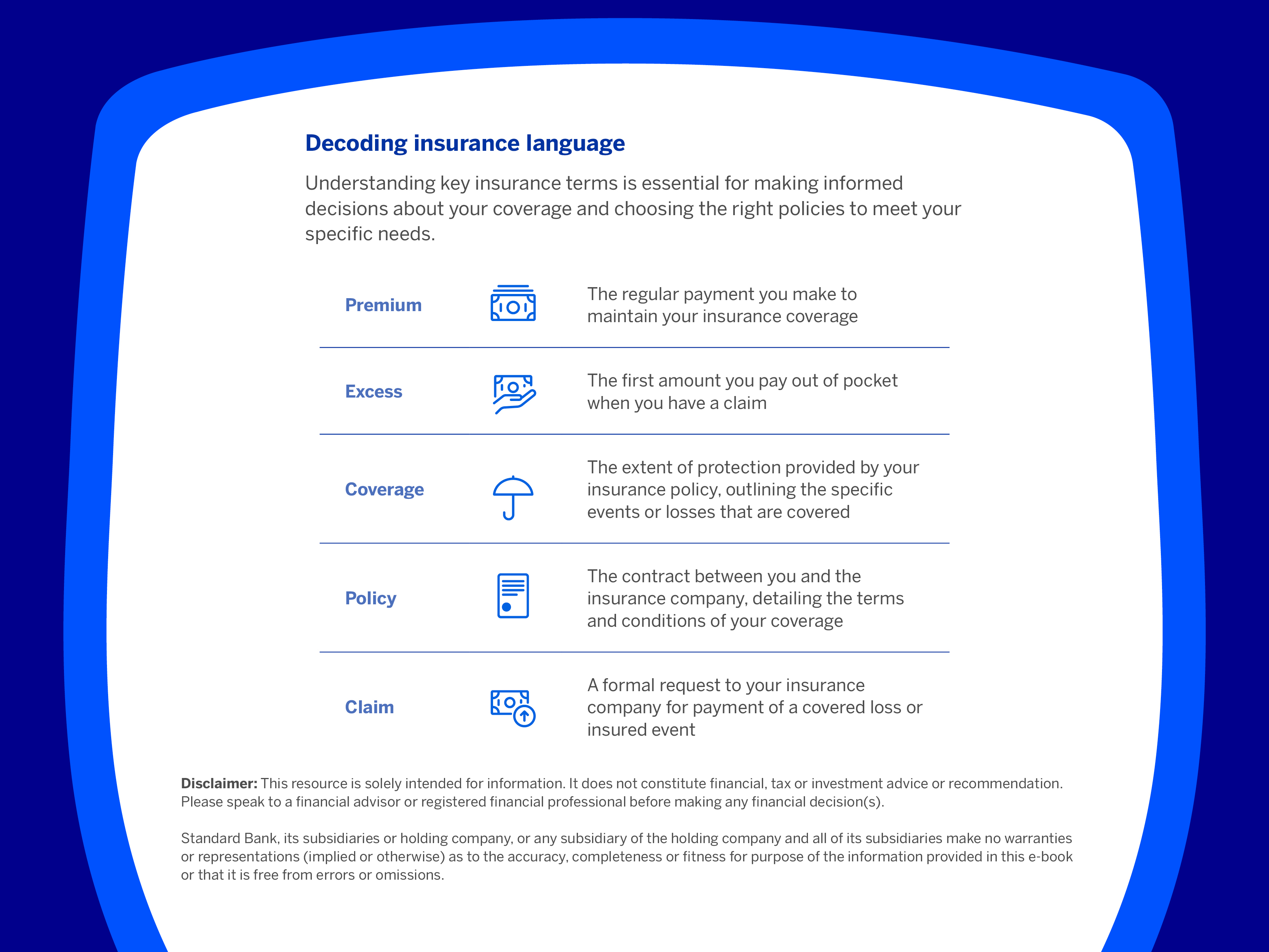
| Policy schedule (or declaration/certificate of insurance) | This summarises everything important, stating who is insured, what is covered (e.g. your car, your house or your life) and often the sum insured (how much you're covered for). | Always check this document carefully when you receive it. It's your quick reference for what you've bought and ensures all details are correct. |
| Terms and conditions | These are the detailed rules of your policy. They explain exactly how your insurance works, what is covered, what isn't covered and what you need to do (e.g. pay premiums on time and report incidents promptly) to ensure your claim is valid. | This is the fine print that protects both you and the insurer. Understanding it prevents surprises and ensures your claim isn't rejected due to a breach of contract. |
| Sum insured | This is the maximum amount your insurer will pay out for a specific claim. For life insurance, it's the lump sum your beneficiaries receive. For car or home insurance, it's the maximum value they'll cover for repair or replacement. | This amount should accurately reflect the true value of what you're insuring. Under-insuring means you might not get enough to cover your loss while over-insuring means you're paying too much in premiums. |
| Insurable interest | You can only insure something or someone if you would suffer a financial loss if something happened to them or it. For example, you can insure your own car but not your neighbour's because you'd only lose money if your car was damaged. | This principle ensures that insurance is used for genuine protection against loss, not for gambling. |
| Waiting periods | This is a specific period, starting from when your policy begins, during which you can’t claim for certain events. For instance, a funeral policy might have a 6-month waiting period, meaning you can only claim for a death that occurs after those 6 months. | Waiting periods are common, especially for life and health-related policies, to prevent people from taking out cover only when they know they're about to claim. Always confirm these periods so you know exactly when your cover truly starts. |
| Exclusions | These are specific events, situations or items that your policy will not cover. For example, car insurance might exclude damage from racing, or home insurance might exclude damage from war. | Exclusions are crucial to understand. They define the limits of your cover. If you're unsure about any exclusion, always ask your insurer or broker for clarification. |
| Excess | For non-life insurance (such as car or home), this is the first portion of a claim that you agree to pay yourself, so if your car repair costs R10 000 and your excess is R1 000, you pay R1 000, and the insurer pays R9 000. | A higher excess usually means lower monthly premiums, but you'll pay more out of pocket if you claim. Choose an excess you can comfortably afford in an emergency. |
| Third-party liability | This part of your non-life policy protects you if you accidentally cause damage to someone else's property (such as their car or fence) or injure them. Your insurer will pay for their losses on your behalf. | This cover is incredibly important as it protects you from potentially huge legal and financial costs if you're found responsible for an accident. |
| Repudiation | This is when your insurer declines to pay your claim. This can happen for various reasons, such as if the event isn't covered by your policy or if you didn't meet a condition of your contract (e.g. you didn't disclose important information, or your premiums weren't up to date). | Understanding your policy's terms and conditions and being honest in your application help prevent your claim from being repudiated. |
| Extensions | These are optional extras you can add to your standard non-life policy for an additional premium. For example, you might add 'all-risk' cover for items you take out of your home or roadside assistance to your car insurance. | Extensions allow you to tailor your policy to your specific needs and lifestyle, providing more comprehensive protection. |
| Ex gratia | A goodwill payment made by an insurer even though they are not legally obliged to do so under the terms of your policy, it's rare and at their discretion. | It's not something you can expect, but it shows an insurer's willingness to assist in exceptional circumstances. |
TOP TIP: Before signing any insurance contract, make sure you understand all the terms and conditions. If you’re unsure, speak to your financial adviser, broker or insurer for guidance.
Feeling more confident about insurance lingo?
Take the next step to explore solutions designed for your peace of mind.
*Terms and conditions apply
Disclaimer: This article is solely intended for information. It does not constitute financial, tax or investment advice or recommendation. Please speak to a financial advisor or registered financial professional before making any financial decision(s).
Standard Bank, its subsidiaries or holding company, or any subsidiary of the holding company and all of its subsidiaries make no warranties or representations (implied or otherwise) as to the accuracy, completeness or fitness for purpose of the information provided in this article or that it is free from errors or omissions.
Your insurance guide
Download the free Insurance essentials e-book and learn more about the different types of insurance and when you need it.
Related articles and media